
Did you know? Did you know that attachment and aversion are both obstacles?
Yes indeed it is not only the idea of being attached to things that is not encouraged on the spiritual path... also and equally important is the idea of non-aversion...not hating things, not having a negative energy field towards things.
Known as Raga (attachment) and Dvesha or Dvesa (aversion) in Sanskrit, both are an obstacle to the experience of freedom and power found in the divine present moment. They are emotional responses that negatively affect our ability to see the world around us clearly and without projection. This negative state is called avidya (non-seeing). In this state of non-seeing, pain is mistaken for pleasure, impermanence for permanence, and the profane for the sacred.
Attachments arise from imprinted memories of previous experiences of pleasure and happiness. Aversions originate from memories of previous experiences of pain and suffering. Over time, as we accumulate a long list of these likes and dislikes, our sense of self-identity is formed, and we begin defining ourselves as a collection of these ingrained emotional responses.
We tend to seek the pleasurable (perhaps even sub-consciously) and we slowly become attached, even to the point of addiction. We avoid the situations and things that remind us of our previous painful experiences and feel the need to protect ourselves from them. Aversion in the forms of fear and hatred are the results.
If we practice a form of meditative self-inquiry, and begin observing ourselves honestly and then reflecting on what we find, we can gradually increase our ability to understand ourselves. We start by becoming aware of our powerful likes and dislikes and how much we are controlled by them. Next, we become aware of the sources and triggers behind those tendencies. Over time, we are able to put a stop to the behaviors that seem to empower these obstacles, and as a result we liberate ourselves, opening ourselves up to new ways of observing and being in the world. Subsequently, we end the impulse to form our self-identity so heavily based on our emotional past. Additionally we are able to build a sense of self that radiates a deeper and more universal reflection of our indwelling spirit.
Yes indeed it is not only the idea of being attached to things that is not encouraged on the spiritual path... also and equally important is the idea of non-aversion...not hating things, not having a negative energy field towards things.
Known as Raga (attachment) and Dvesha or Dvesa (aversion) in Sanskrit, both are an obstacle to the experience of freedom and power found in the divine present moment. They are emotional responses that negatively affect our ability to see the world around us clearly and without projection. This negative state is called avidya (non-seeing). In this state of non-seeing, pain is mistaken for pleasure, impermanence for permanence, and the profane for the sacred.
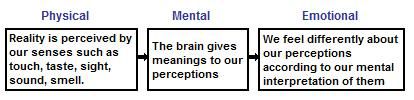 |
| Both Attachment ans Aversion follow this pattern |
We tend to seek the pleasurable (perhaps even sub-consciously) and we slowly become attached, even to the point of addiction. We avoid the situations and things that remind us of our previous painful experiences and feel the need to protect ourselves from them. Aversion in the forms of fear and hatred are the results.
If we practice a form of meditative self-inquiry, and begin observing ourselves honestly and then reflecting on what we find, we can gradually increase our ability to understand ourselves. We start by becoming aware of our powerful likes and dislikes and how much we are controlled by them. Next, we become aware of the sources and triggers behind those tendencies. Over time, we are able to put a stop to the behaviors that seem to empower these obstacles, and as a result we liberate ourselves, opening ourselves up to new ways of observing and being in the world. Subsequently, we end the impulse to form our self-identity so heavily based on our emotional past. Additionally we are able to build a sense of self that radiates a deeper and more universal reflection of our indwelling spirit.


