Did you know? Did you know that probiotics (good bacteria) are one of the most important supplements we can take?
And...No we do not recommend yogurt as a way to get the bacteria because yogurt is a dairy product which has many undesirable effects.
PROBIOTIC
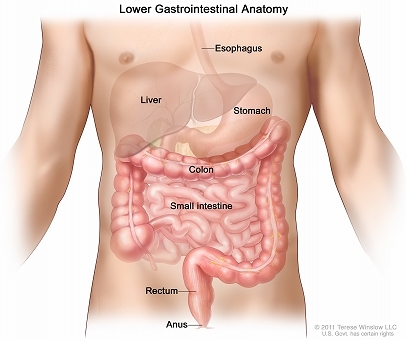
The probiotics in your stomach and intestines play an important role in helping numerous functions throughout the body, such as:
One Washington University professor compared the functioning of this intestinal microflora in your body to that of an “ant farm that works together as an intelligence to perform an array of functions you’re unable to manage on your own.”
Natural Ways to Get Probiotics
In the distant past and continuing today, people have used (and still use) fermented foods like sauerkraut to support their digestive health, as these foods are rich in naturally beneficial bacteria.
Fermented foods have been part of nearly every traditional culture. As far back as Roman times, people ate sauerkraut, not only because they liked its taste but because of benefits to overall health. In Asian cultures, pickled fermentations of cabbage, turnips, eggplant, cucumbers, onions, squash and carrots still exist today.
If you were to eat a diet rich in unprocessed fermented foods that have NOT been pasteurized (which kills the probiotics), then you will likely enjoy great digestive health.
On the other hand, if you eat a lot of processed foods or rely on mostly cooked foods, the balance of bacteria in your digestive tract will have a hard time remaining at an optimal level. Sugar is also an incredibly efficient fertilizer for growing bad bacteria and harmful yeasts in your intestinal tract, so if you indulge in a lot of it you’re fueling the bad bacteria. In addition to taking antibiotics, stress, pollution and other environmental factors can further upset the balance in a negative way.
Since helpful bacteria are increasingly absent in most people’s diets, it is important to purposely include foods that contain live probiotic bacteria in your diet, or take a good probiotic supplement.
Make your own Probiotics…
“*CABBAGE REJUVELAC:” (*Excerpted from “The Colon Health Handbook” by Robert Gray)
“Cabbage is a vegetable that is teeming with lactobacteria. No starter is needed for making rejuvelac. Just start one morning by blending together 1 3/4 cups (420ml) distilled or purified water plus 3 cups (720ml) coarsely chopped, loosely packed fresh cabbage. Start the blender at low speed and then advance the blender to high speed and blend for 30 more seconds. Pour into a jar, cover, and let stand at room temperature for 3 days. At this time, strain off the liquid rejuvelac. The initial batch of cabbage rejuvelac takes 3 days to mature, but succeeding batches take 24 hours each.
“Each morning after straining off the fresh rejuvelac, blend together for 30 seconds at high speed 1 1/2 cups (360ml) distilled or purified water plus 3 cups (720ml) coarsely chopped, loosely packed fresh cabbage. Pour into a jar, add 1/4 cup (60ml) of the fresh rejuvelac just strained off, cover, shake and let stand at room temp. until the next morning.
“You can also make cabbage rejuvelac without a blender by chopping the cabbage very fine and using 2 1/2 cups (600ml) finely chopped, loosely packed cabbage listed above. The amount of distilled or purified water used should remain unchanged.
“Good quality rejuvelac tastes similar to a cross between carbonated water and the whey obtained when making yogurt. Bad quality rejuvelac has a much more putrid odor and taste and should not be consumed. Always avoid using tap water when making rejuvelac because chlorine has been added to it for the purpose of killing bacteria of any kind.
“Drink each day’s rejuvelac during the course of the day by taking 1/2 cup (120ml) 3x a day, preferably with meals.”
More and more studies are demonstrating disproportionately huge benefits from making sure that our intestinal micro flora are healthy. The good bacteria in our intestines works as a synergistic ally helping us both by producing important compounds like vitamin B-12, and also by making sure that the surface area of our intestines is not left unguarded and vulnerable to the more nasty bacterial strains.
I even had a heart surgeon tell me once after my FOOD 101 lecture that I needed to emphasize the importance of probiotics more than I did, since in his words; 'probiotic bacteria and a healthy gut are the absolute key to the immune system.'
I even had a heart surgeon tell me once after my FOOD 101 lecture that I needed to emphasize the importance of probiotics more than I did, since in his words; 'probiotic bacteria and a healthy gut are the absolute key to the immune system.'
And...No we do not recommend yogurt as a way to get the bacteria because yogurt is a dairy product which has many undesirable effects.
PROBIOTIC
- Pro = “for”, “in favor of.”
- Biotic = “pertaining to life”, “of or relating to living organisms.”
The word probiotic is a composite of the Latin preposition pro (“for”) and the Greek adjective (biotic), the latter derived from the noun bios (“life”).
The word probiotic is a composite of the Latin preposition pro (“for”) and the Greek adjective (biotic), the latter derived from the noun bios (“life”).
 |
| The ideal balance between the bacteria in your body is 85 percent good and 15 percent bad. |
The ideal balance between the bacteria in your body is 85 percent good and 15 percent bad.
The probiotics in your stomach and intestines play an important role in helping numerous functions throughout the body, such as:
- Digesting and absorbing certain nutrients and carbohydrates.
- Producing vitamins, assisting the body in absorbing minerals and eliminating toxins.
- Keeping bad bacteria in check.
- Preventing allergies…These friendly bacteria train your immune system to distinguish between pathogens and non-harmful antigens, and to respond appropriately.
- Providing essential support to your immune system. These beneficial bacteria have a lifelong, powerful effect on both your gut’s immune system, and your systemic immune system as well.
In the distant past and continuing today, people have used (and still use) fermented foods like sauerkraut to support their digestive health, as these foods are rich in naturally beneficial bacteria.
 |
| Cabbage Rejuvelac |